Archive Photos
Study coastal towers through curated documentary photographs and dated visual records.
Explore photo archive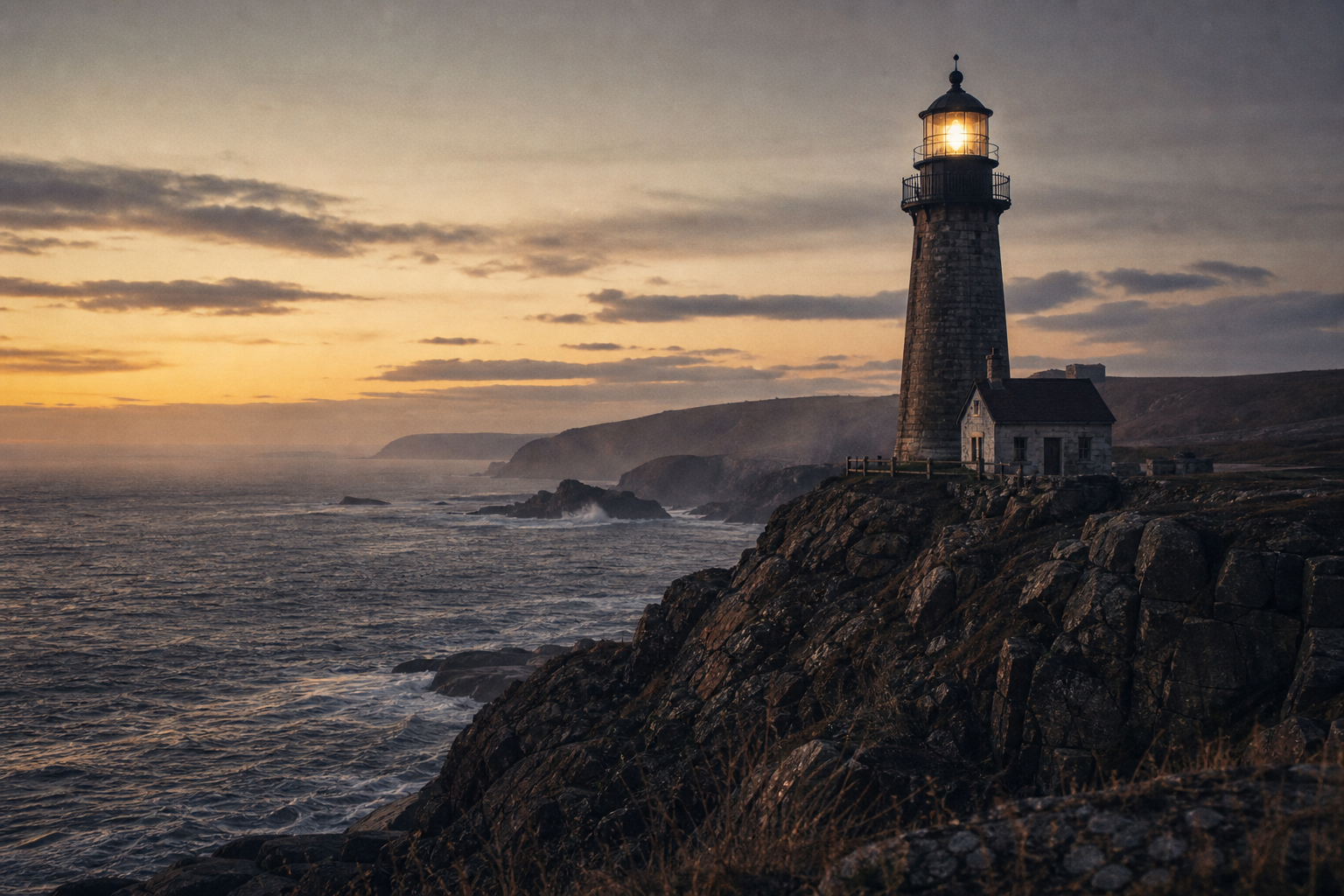
Survey marks · 1894 · 1912 · 1938
Explore archival photographs, keeper stories, and preserved towers that trace the coastline’s working light stations across generations.
Archive highlights
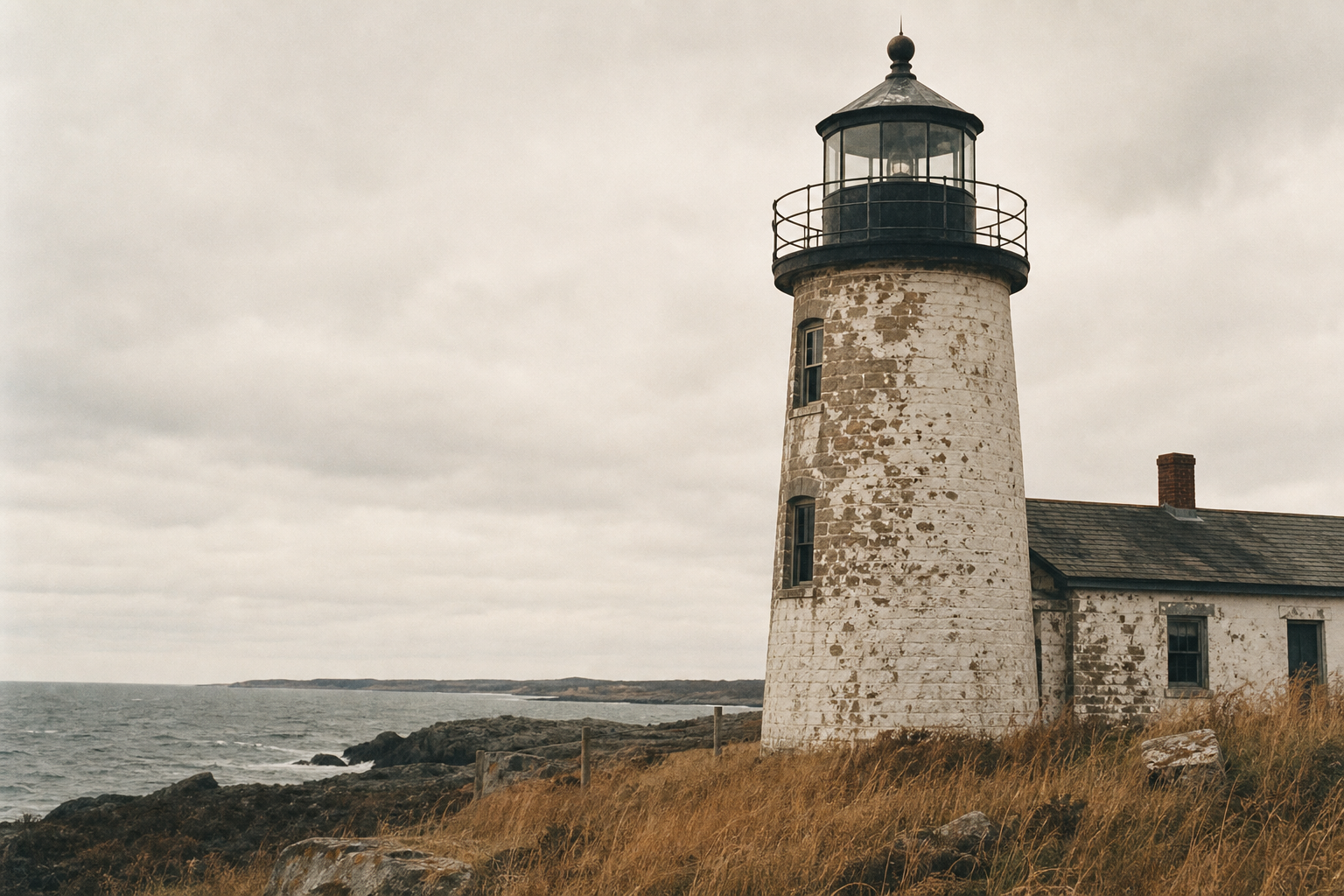
Profiles of surviving lighthouse structures across the northern shoreline.
Documentary photographs spanning decades of weather, work, and coastlight.
Plainspoken memories and journal fragments from lighthouse keepers and families.
Mapped reference points linking historic lights, routes, and preserved headlands.
Coast history introduction
Along the northern coast, lighthouse stations did more than guide ships through fog and reefs: they stitched together fishing ports, mail routes, and rescue networks, becoming fixed reference points as trade expanded, storms redrew channels, and coastal communities adapted over two centuries.
1790s–1830s · First beacons
Timber towers and coal braziers marked dangerous inlets for coastal traders and fishing fleets.
1840s–1880s · Expansion of stations
Masonry towers and staffed keeper houses extended reliable night navigation farther up the coast.
1890s–1940s · Lens and signal era
Fresnel optics, fog signals, and radio reporting linked lighthouse crews to wider maritime safety systems.
1950s–today · Preservation and memory
Automation reduced staffing while local archives and volunteers preserved towers, records, and keeper narratives.
Collections
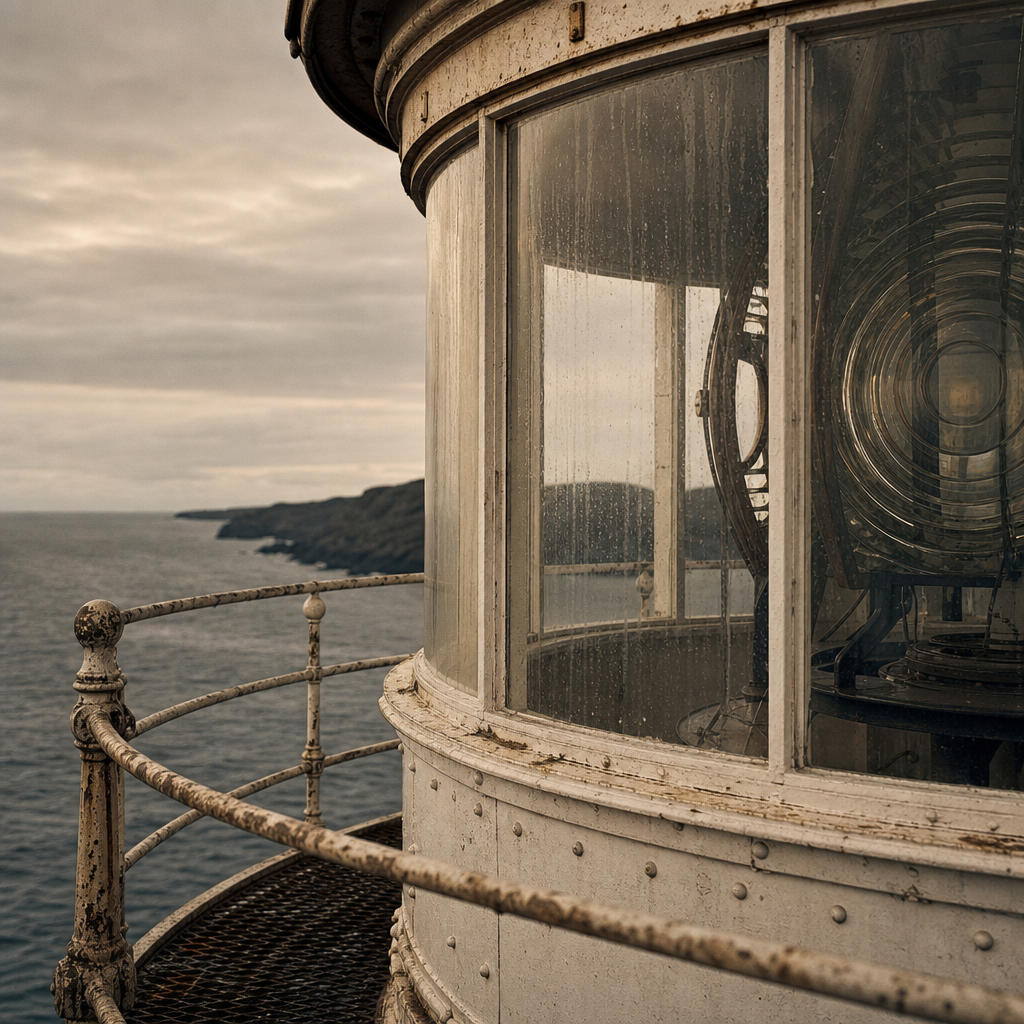
Browse documentary photographs, read keeper accounts, or trace surviving towers across the coast.
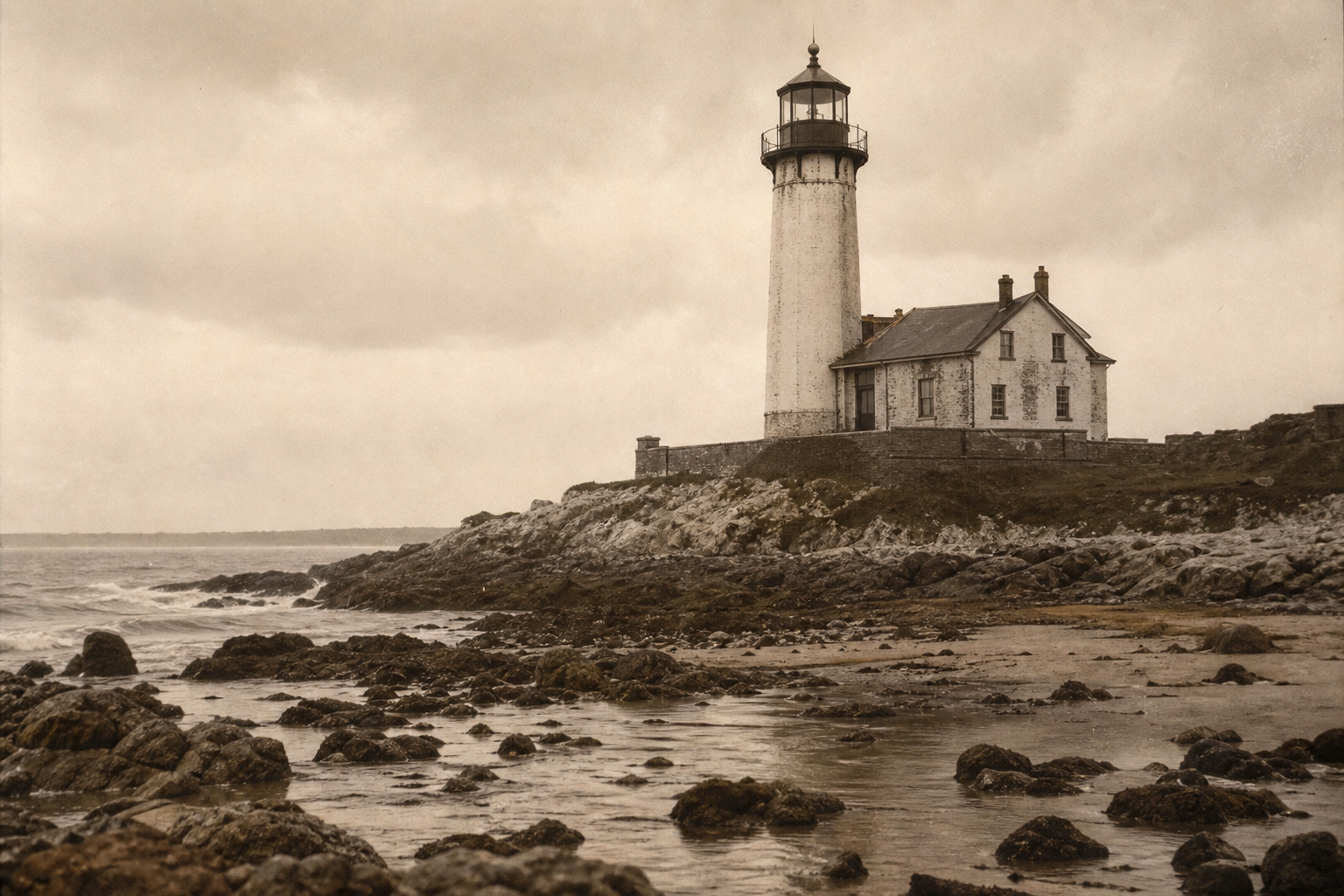
Study coastal towers through curated documentary photographs and dated visual records.
Explore photo archive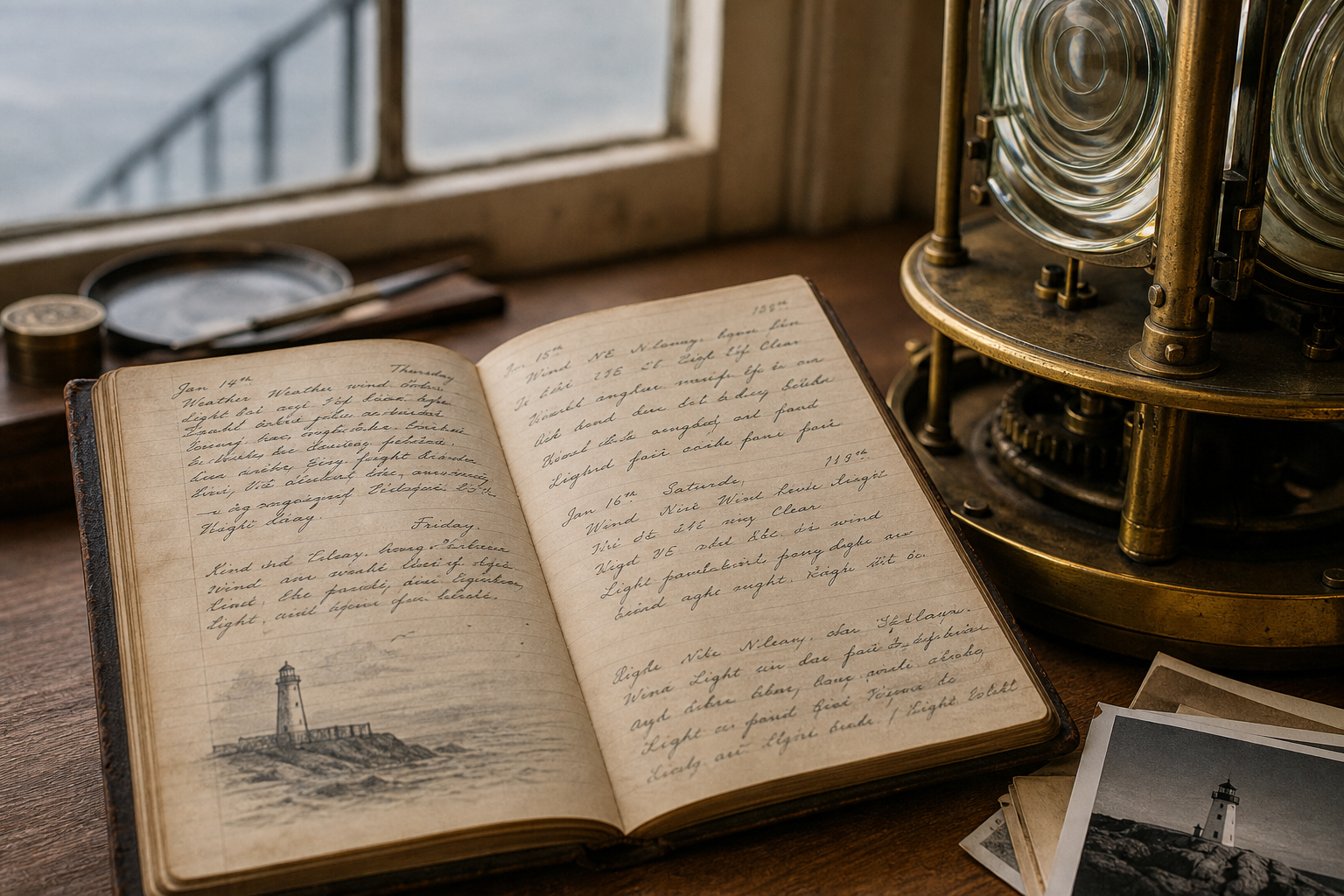
Read plainspoken accounts from keepers, families, and station logs across decades.
Read keeper stories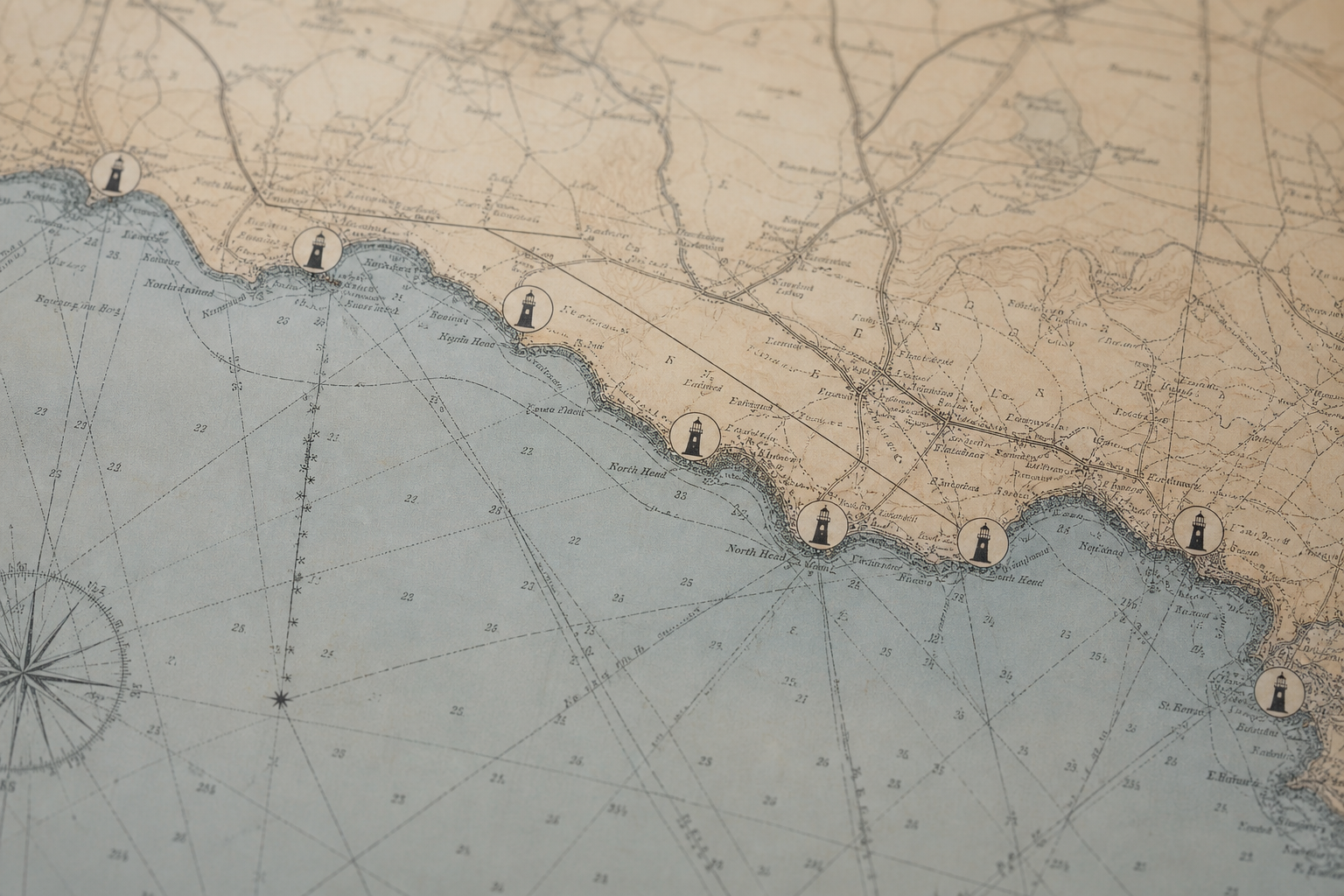
Follow mapped locations of standing towers and compare regional preservation notes.
View preserved mapFeatured keeper story
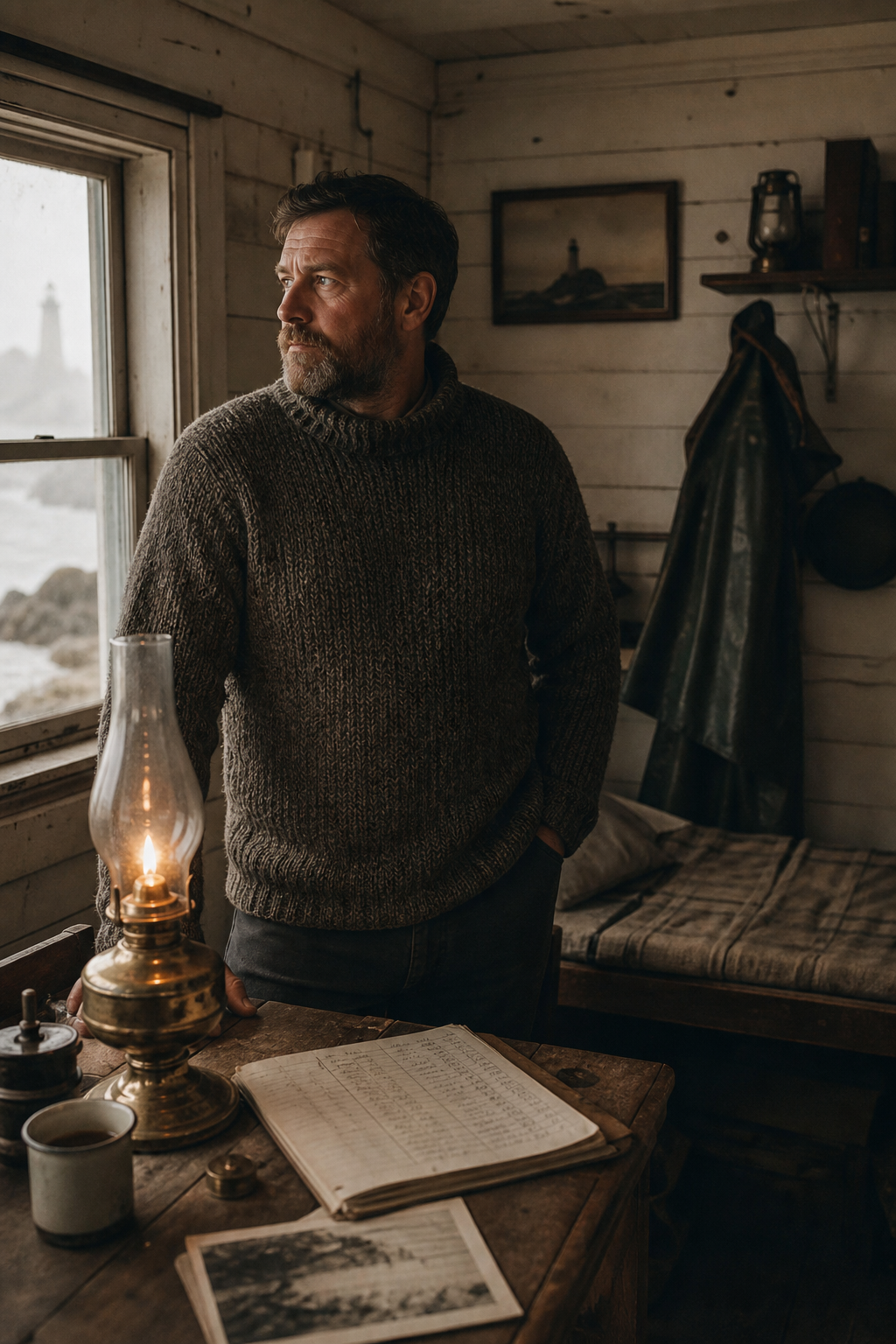
In his weather log, Rowan wrote less about storms than silence: lamp glass wiped at dawn, fog bell checked at noon, and letters read by wick-light after the last patrol. His notes trace a life measured by weather, routine, and the distant promise of a supply boat rounding the point.
“When the fog stayed three days, I kept the lamp as if it were company. The sea answered only with its breathing.”Read more stories